Blog · · Ashutosh Agarwal
The Five Functions of a Long/Short Hedge Fund Analyst Have Changed Thanks to AI
More than 95% of hedge funds now run generative AI, up from 86% in 2023. Adoption stopped being an edge. Here is where it went, across all five analyst jobs.
TL;DR
In the 2025 AIMA survey, 95% of hedge fund managers reported using generative AI, up from 86% in 2023, and 60% of institutional allocators said they are more likely to fund managers investing meaningfully in it. When ninety-five percent of an industry does the same thing the edge usually vaporizes. Still, some funds are using agentic AI in innovative ways to generate alpha and compound their edge even as the others are stuck chatting with a traditional LLM or, worse, doing things the old way.
More than 95% of hedge funds now run generative AI to help them invest better. Adoption is no longer the edge, we have long since moved past that. Now, alpha has moved to where most funds are still not looking and AI is rewriting what the analyst job looks like. To be fair, the HF analyst job was never just one job, it is at least 5 separate things that you have to manage at once.
Before we get into those five functions, here is what agentic AI now makes possible. We built the live research artifact below for Chipotle in minutes, from plain-English prompts. It is the kind of thing an analyst can stand up on any name they cover.
This is the first of a series of articles focusing on what our clients feel are the most important parts of the hedge fund analyst job and how each one has changed with agentic AI.
Take a simple example. An analyst covering twenty-five names in a $2B L/S equity fund works sixty to seventy hours in a normal week and eighty to a hundred during earnings season. If you ask them what they do they will say "research", but in reality they are performing several distinct, time-consuming, and sometimes error-prone tasks that together make up the job of an analyst.
Brett Caughran (former Maverick, Citadel, D.E. Shaw and Two Sigma) estimated that 60-70% of the fundamental analyst's time is spent sourcing and processing information. These tasks are not glamorous, they are repetitive, time-consuming, and error-prone.
Some of them are prime candidates for agentic AI to save time, improve research quality, and avoid costly mistakes. Here are the five distinct functions we looked at.
Idea generation. Analysts wake up each morning thinking about the next idea they will research. There are at least twenty raw ideas evaluated for every one worth pitching to the PM, and now every classic channel that feeds the idea funnel is outdated. The problem is that they are either stale, biased, or already known and bought by everyone. Even data outside the mainstream is arguably depleted of easily monetizable alpha. This includes non-traditional data sources. Alternative data adoption grew from 62% of funds using it in 2023 to about 90% in 2025, which turned a previous information edge into a seven-figure cost of doing business for most managers. Many will argue that data that is highly distributed among managers has precious little alpha left in it. So, where is the next great idea coming from? AI can help. The next article in this series will tackle this.
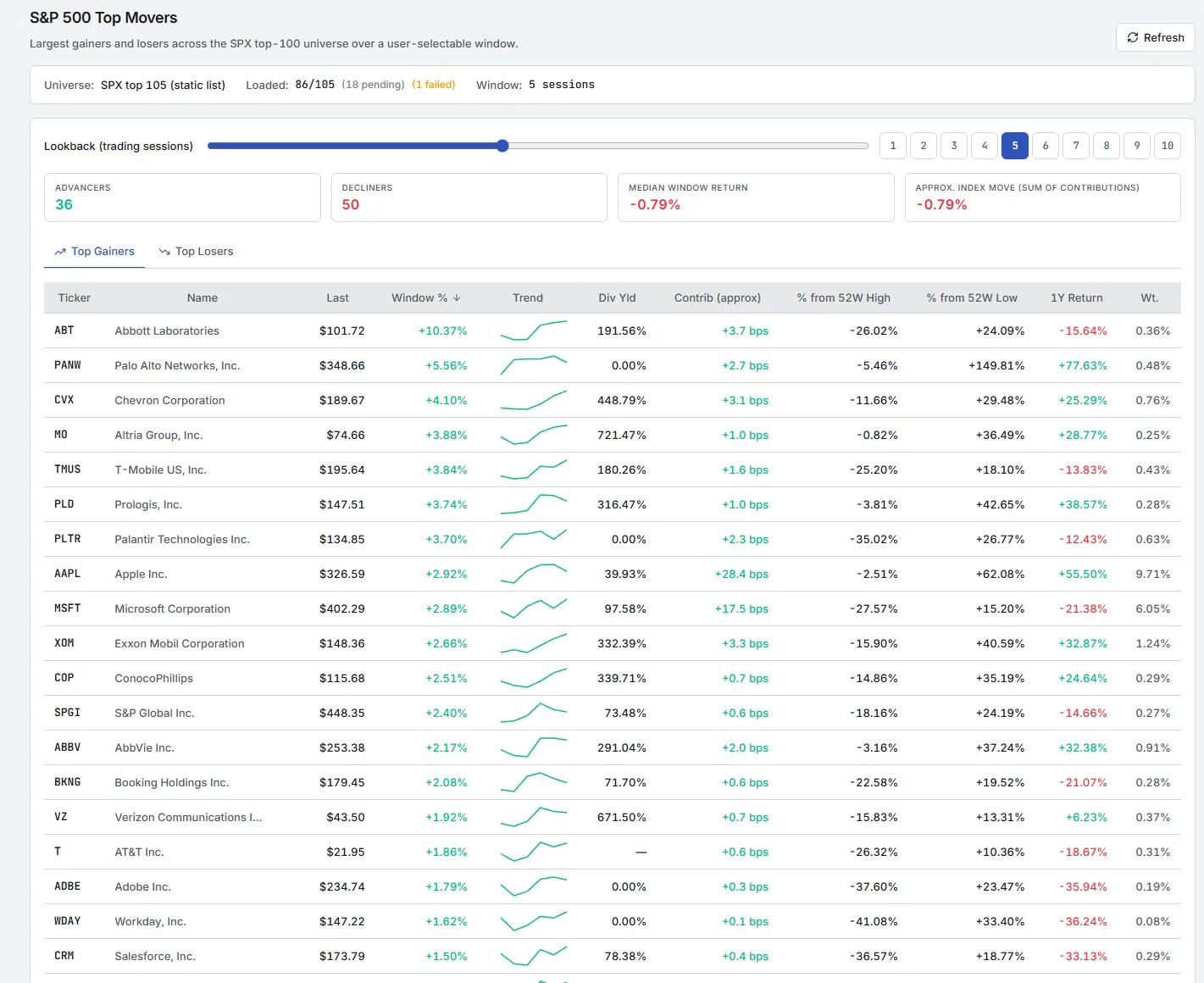
Ten prebuilt idea-generation prompts via Matterfact, part of our pre-engineered research playbooks. Run qualitative and quantitative screens based on any criteria like durable moat, network effects, or recession resilience. Overlap any quantitative filters just by asking the AI agent.
Research. Analysts will build models that ingest ten years of filings, read years of historical transcripts and the latest sell-side research, and then try to do the same for five competitors. There could be five hundred to a thousand primary documents per name, before a single broker note, and the information volume keeps growing. The median 10-K grew from roughly 23,000 words in 1996 to over 49,000 by 2013, and a large cap now runs past two hundred pages. Nobody can read them all, except AI agents. This is why at Matterfact we build AI agents that our clients leverage to get more work done and get it done better and faster than ever before. More on that later.
Go deep on any name, pulling in web-scraped data, profitability metrics, recent bull and bear cases, scenario analysis, and competitive analysis. Artifacts update automatically, giving you data on demand, like the Chipotle dashboard at the top of this post.
The pitch. Weeks of diligence is spent preparing for a one-hour interrogation, with 60% to 80% of ideas killed before they ever reach the PM. The PM asks one question, which is what you know that the market does not, and why they do not know it. This is also the riskiest part of the job, as looking bad in front of the PM or your peers can destroy a career. It is cutthroat competitive in hedge funds and you have to come very prepared. You have to know what the market is missing, articulate it, and work that into your view of the current price and target once the market absorbs the information you have.
Traditionally this takes a very long time. Now, AI agents can do the heavy lifting for you, pulling all your research together, comparing against the prevailing market sentiment, isolating the difference, and formulating it all into a memo. This leaves you more time to do critical thinking and deliver a strong pitch.
Monitoring. Analysts have to be simultaneously aware of all their names, call it 10 to 20 active names, their watchlist (another 20), but also know their competition and the market. Fifteen to forty live theses held top of mind, all while Bloomberg News publishes over 5,000 stories a day. The Bloomberg alert tells you something happened, but it is on the analyst to understand how the thesis has now changed, how the new information affects competitors, and what adjustments to make, if any.
AI agents excel at continuous monitoring. With Matterfact, analysts can build a working, live monitoring artifact that ingests, consumes, and integrates all the critical updates for each name and their peers.
Learn what moved and why, instantly. Building your own dashboards with AI gives you the freedom to leverage your ideas and follow your instincts, testing your theories in real time.
Earnings. This one causes a lot of stress on analyst desks. Around 80% of the S&P 500 reports inside a three-week window, with three to eight of your names printing on the same morning. Price moves in milliseconds and you have to know what to tell the PM when they ask if the stock is still worth holding.
What changed with AI and why now is the time to use it for research
You used to have to keep a lot of that in your head, and inside models and notes. AI changes things drastically. Imagine being alerted by an AI agent who knows all your names, their industries, your thesis, your price targets, and what your PM usually asks of you. It also keeps on top of all the competitors, screens for new ideas automatically based on your criteria, and helps you build the killer pitch leaving no stone unturned. This is what agentic AI empowers analysts to do and this is where the alpha is now.
The old ways of investing and conducting research now feel outdated and archaic in this age, and no wonder the analysts who fully leverage AI are doing better research while covering more names.
This series will teach you how to do just that.
Read the next article to learn more about using AI for idea generation in the age of AI.
Artifacts referenced: Chipotle locations dashboard: open in the Matterfact app
Reach out to us if you are interested in customizing and creating your own artifacts. Email ashutosh@matterfact.com.